
I have a relatively small studio space and have been working with…
“I have a relatively small studio space and have been working with gouache. I have the chance to increase my studio space and I've been debating making the jump to a different medium. I know the classic atelier method is to jump into oils, but is there any merit to acrylic for classical style paintings?”
Acrylics are the most underrated medium.
I love oils and I rave about oils all the time. They're my favorite medium. You will never regret working in oils and you'll probably love them. Hell, your paintings might even sell for more money just because they were painted in oils. It's silly, but it's kinda how things go. Oils are phenomenal.
But acrylics are also excellent, just in different ways.
I used acrylics for a lot of my early years of painting. I used them for nearly all of the plein air work I did, for my early illustration attempts (before switching primarily to digital), and for underpaintings for more pieces than I can count.
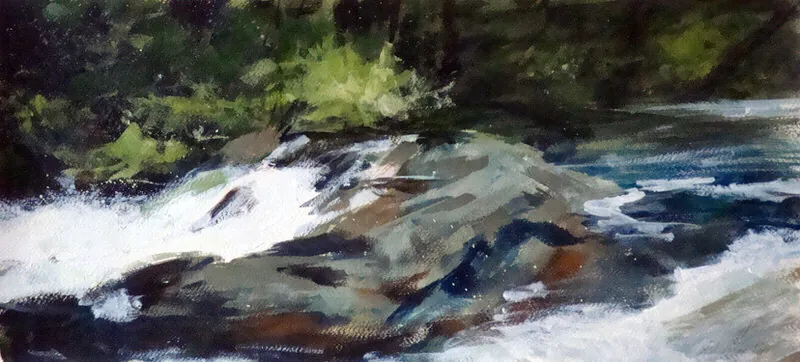


Acrylics are fast, easy, cheap, and versatile. You can mix accurate color quickly and they don't suffer nearly the same value-shift you're going to get from mediums like watercolor & gouache. You don't need any fancy materials or surfaces. You can paint on a cardboard box and it'll work great. Once the paint is dry, it's durable as hell. Any sort of brushes or tools will work. I used paper plates for my palettes for all of the plein air paintings above.
You can work transparently or opaquely. You don't ever really have to worry about your paintings cracking or smudging or anything. What you see is what you're gonna get. By the time you're done, it's probably going to be dry enough to throw around without concern.
And, yes, you can get some very classical looks with acrylics.
Any of their "bad" qualities—for some, the fast drying times, and for others, the less-than-stellar surface quality of the finished piece—can be remedied by getting some different mediums and/or varnishes. They've got acrylics that stay wet longer, palettes that keep moisture trapped in there with the paint so you can reuse paints, and varnishes that give a bit more luster to otherwise plastic-y finishes to your pieces.
So I suppose I'm always going to advise you to paint in oils. You won't regret it. But too many people are prematurely dismissing acrylics and I wouldn't be too surprised if they make a bit of a resurgence in the next decade.